






Compassion rarely makes headlines.
Yet history is often changed by those who quietly choose kindness when everyone else walks away.
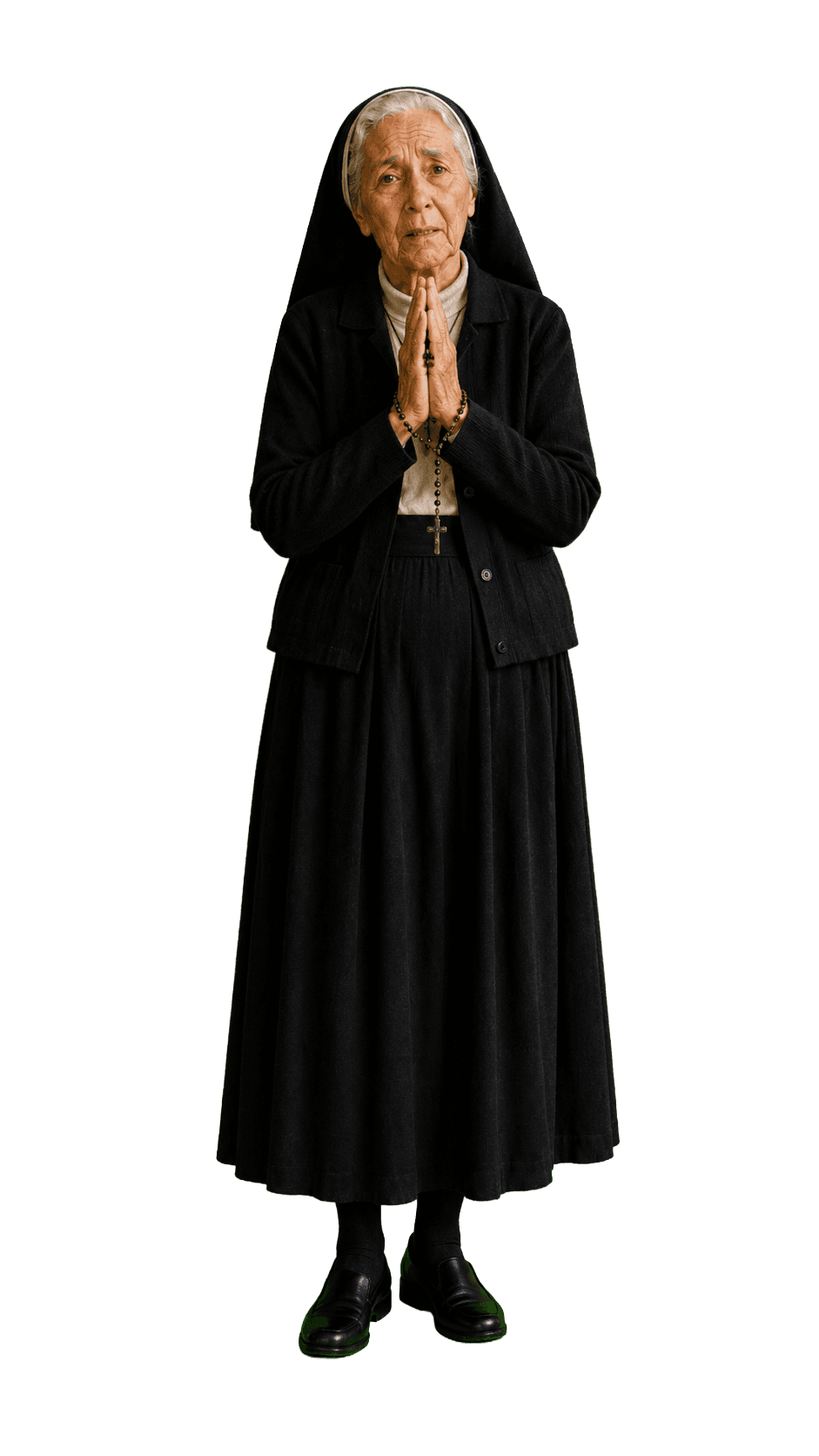
Sister Catherine has spent her life making that choice.
A devoted woman of faith, Sister Catherine believes that the true measure of religion is not found in sermons or stained-glass windows, but in how we treat those who need us most. Throughout decades marked by fear, prejudice, and misunderstanding, she refused to allow compassion to be limited by politics, public opinion, or institutional expectations. Where others saw controversy, she saw people. Where others saw judgment, she saw humanity.
Her calling has never been about choosing who deserves mercy. It has always been about offering it freely. During the darkest years of the AIDS epidemic, when fear isolated countless members of San Francisco's LGBTQ+ community from their families, churches, and even healthcare providers, Sister Catherine quietly became a source of hope. She visited hospital rooms others avoided, comforted the dying, listened without condemnation, and reminded those facing unimaginable suffering that their dignity had never been diminished. Her ministry was not performed from a pulpit. It was lived one conversation, one embrace, and one act of kindness at a time.
Her friendship with Anthony "Sister Angel Devine" Mancini grew from a shared belief that service mattered more than appearances. Although they came from very different traditions, each recognized in the other an unwavering commitment to helping those who had been forgotten. Their mutual respect became a powerful reminder that compassion can unite people whose backgrounds, beliefs, and experiences might otherwise seem worlds apart. Together, they demonstrated that faith and activism need not exist in opposition when both are rooted in love for others.
Sister Catherine also earns the trust of Daniel Mercer and many others whose lives were forever shaped by the epidemic. She never asks them to forget their pain or minimize their anger. Instead, she offers something equally valuable, a safe place where grief can exist without shame. She understands that healing cannot be forced and that some wounds remain long after history has moved on. Her presence provides quiet reassurance that even the deepest scars deserve tenderness rather than judgment.
Though gentle by nature, Sister Catherine possesses remarkable courage. She is willing to stand apart from those who would rather preserve appearances than confront uncomfortable truths. She understands that doing what is right is not always popular, and that moral conviction often requires quiet acts of defiance rather than dramatic public declarations. Her strength comes not from raising her voice, but from refusing to compromise the values that define her.
As decades-old secrets surrounding Sister Angel's disappearance begin to surface, Sister Catherine once again becomes a trusted voice of wisdom and perspective. While others seek answers through evidence, investigation, and historical records, she reminds them that truth also carries emotional and spiritual weight. Justice is important, but so are forgiveness, reconciliation, and the recognition that every person involved was imperfectly human. Her ability to hold both accountability and compassion in balance becomes one of the novel's most profound lessons.
Sister Catherine embodies humility, grace, and steadfast faith expressed through action. She reminds us that the greatest acts of courage are often the quietest, that changing a life sometimes begins with nothing more than choosing to sit beside someone who believes they have been left completely alone.
She never sought recognition. She never asked to become a symbol. She simply chose, day after day, to love people when they needed it most. And in doing so, she became exactly the kind of light that continues to shine long after the darkest days have passed.
Compassion rarely makes headlines. Yet history is often changed by those who quietly choose kindness when everyone else walks away. Sister Catherine has spent her life making that choice.
A devoted woman of faith, Sister Catherine believes that the true measure of religion is not found in sermons or stained-glass windows, but in how we treat those who need us most. Throughout decades marked by fear, prejudice, and misunderstanding, she refused to allow compassion to be limited by politics, public opinion, or institutional expectations. Where others saw controversy, she saw people. Where others saw judgment, she saw humanity.
Her calling has never been about choosing who deserves mercy. It has always been about offering it freely. During the darkest years of the AIDS epidemic, when fear isolated countless members of San Francisco's LGBTQ+ community from their families, churches, and even healthcare providers, Sister Catherine quietly became a source of hope. She visited hospital rooms others avoided, comforted the dying, listened without condemnation, and reminded those facing unimaginable suffering that their dignity had never been diminished. Her ministry was not performed from a pulpit. It was lived one conversation, one embrace, and one act of kindness at a time.
Her friendship with Anthony "Sister Angel Devine" Mancini grew from a shared belief that service mattered more than appearances. Although they came from very different traditions, each recognized in the other an unwavering commitment to helping those who had been forgotten. Their mutual respect became a powerful reminder that compassion can unite people whose backgrounds, beliefs, and experiences might otherwise seem worlds apart. Together, they demonstrated that faith and activism need not exist in opposition when both are rooted in love for others.
Sister Catherine also earns the trust of Daniel Mercer and many others whose lives were forever shaped by the epidemic. She never asks them to forget their pain or minimize their anger. Instead, she offers something equally valuable, a safe place where grief can exist without shame. She understands that healing cannot be forced and that some wounds remain long after history has moved on. Her presence provides quiet reassurance that even the deepest scars deserve tenderness rather than judgment.
Though gentle by nature, Sister Catherine possesses remarkable courage. She is willing to stand apart from those who would rather preserve appearances than confront uncomfortable truths. She understands that doing what is right is not always popular, and that moral conviction often requires quiet acts of defiance rather than dramatic public declarations. Her strength comes not from raising her voice, but from refusing to compromise the values that define her.
As decades-old secrets surrounding Sister Angel's disappearance begin to surface, Sister Catherine once again becomes a trusted voice of wisdom and perspective. While others seek answers through evidence, investigation, and historical records, she reminds them that truth also carries emotional and spiritual weight. Justice is important, but so are forgiveness, reconciliation, and the recognition that every person involved was imperfectly human. Her ability to hold both accountability and compassion in balance becomes one of the novel's most profound lessons.
Sister Catherine embodies humility, grace, and steadfast faith expressed through action. She reminds us that the greatest acts of courage are often the quietest, that changing a life sometimes begins with nothing more than choosing to sit beside someone who believes they have been left completely alone.
She never sought recognition. She never asked to become a symbol. She simply chose, day after day, to love people when they needed it most. And in doing so, she became exactly the kind of light that continues to shine long after the darkest days have passed.
Compassion rarely makes headlines. Yet history is often changed by those who quietly choose kindness when everyone else walks away. Sister Catherine has spent her life making that choice.
A devoted woman of faith, Sister Catherine believes that the true measure of religion is not found in sermons or stained-glass windows, but in how we treat those who need us most. Throughout decades marked by fear, prejudice, and misunderstanding, she refused to allow compassion to be limited by politics, public opinion, or institutional expectations. Where others saw controversy, she saw people. Where others saw judgment, she saw humanity.
Her calling has never been about choosing who deserves mercy. It has always been about offering it freely. During the darkest years of the AIDS epidemic, when fear isolated countless members of San Francisco's LGBTQ+ community from their families, churches, and even healthcare providers, Sister Catherine quietly became a source of hope. She visited hospital rooms others avoided, comforted the dying, listened without condemnation, and reminded those facing unimaginable suffering that their dignity had never been diminished. Her ministry was not performed from a pulpit. It was lived one conversation, one embrace, and one act of kindness at a time.
Her friendship with Anthony "Sister Angel Devine" Mancini grew from a shared belief that service mattered more than appearances. Although they came from very different traditions, each recognized in the other an unwavering commitment to helping those who had been forgotten. Their mutual respect became a powerful reminder that compassion can unite people whose backgrounds, beliefs, and experiences might otherwise seem worlds apart. Together, they demonstrated that faith and activism need not exist in opposition when both are rooted in love for others.
Sister Catherine also earns the trust of Daniel Mercer and many others whose lives were forever shaped by the epidemic. She never asks them to forget their pain or minimize their anger. Instead, she offers something equally valuable, a safe place where grief can exist without shame. She understands that healing cannot be forced and that some wounds remain long after history has moved on. Her presence provides quiet reassurance that even the deepest scars deserve tenderness rather than judgment.
Though gentle by nature, Sister Catherine possesses remarkable courage. She is willing to stand apart from those who would rather preserve appearances than confront uncomfortable truths. She understands that doing what is right is not always popular, and that moral conviction often requires quiet acts of defiance rather than dramatic public declarations. Her strength comes not from raising her voice, but from refusing to compromise the values that define her.
As decades-old secrets surrounding Sister Angel's disappearance begin to surface, Sister Catherine once again becomes a trusted voice of wisdom and perspective. While others seek answers through evidence, investigation, and historical records, she reminds them that truth also carries emotional and spiritual weight. Justice is important, but so are forgiveness, reconciliation, and the recognition that every person involved was imperfectly human. Her ability to hold both accountability and compassion in balance becomes one of the novel's most profound lessons.
Sister Catherine embodies humility, grace, and steadfast faith expressed through action. She reminds us that the greatest acts of courage are often the quietest, that changing a life sometimes begins with nothing more than choosing to sit beside someone who believes they have been left completely alone.
She never sought recognition. She never asked to become a symbol. She simply chose, day after day, to love people when they needed it most. And in doing so, she became exactly the kind of light that continues to shine long after the darkest days have passed.